Cannabis, Tobacco, and Smoke Odor Removal in RiNo
Cannabis and tobacco smoke both leave residue that clings to exposed brick, ductwork, and soft furnishings. Lasting results come from treating that residue, not just the air.
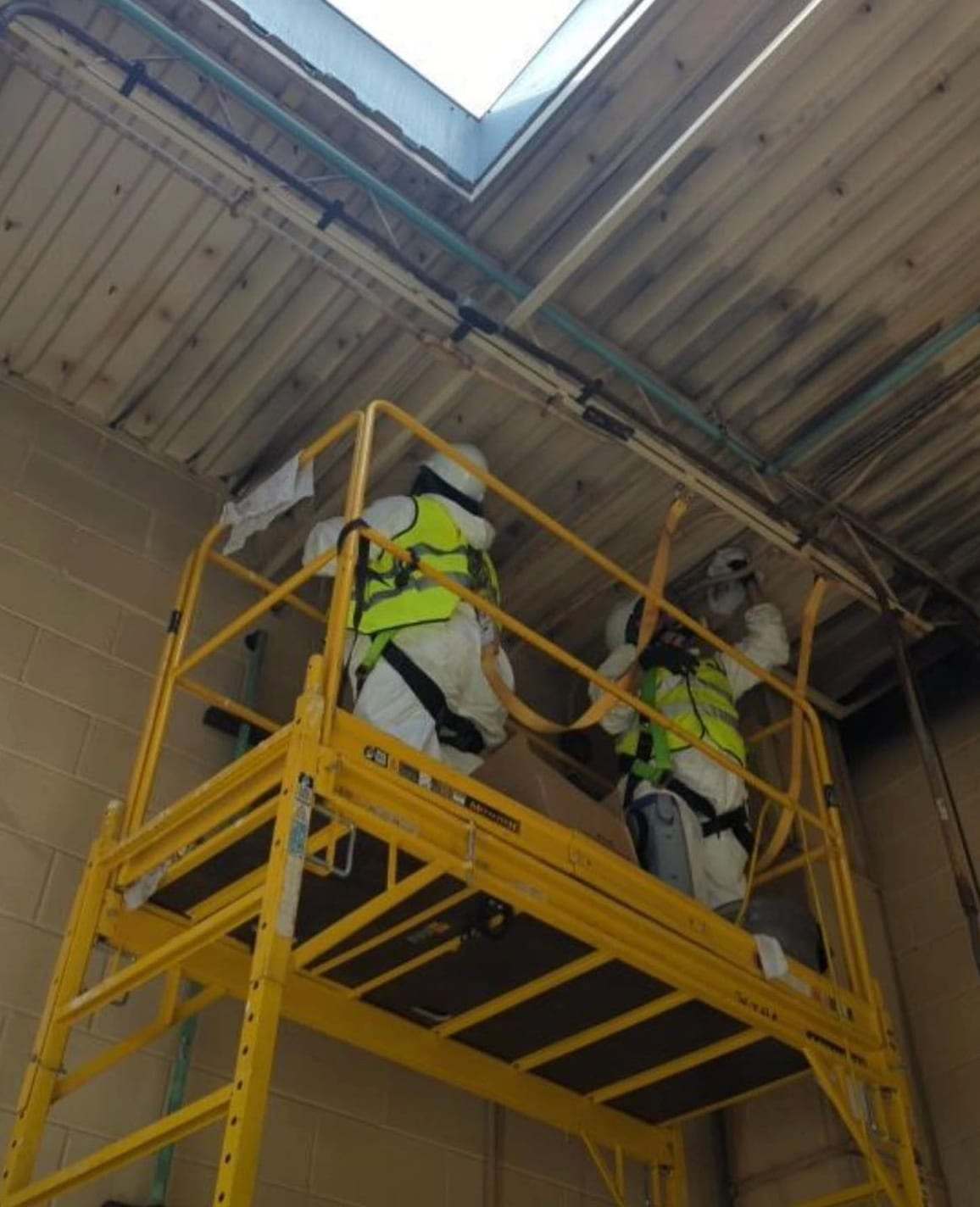
Smoke odor in lofts and modern apartments
- 1
Cannabis smoke leaves a resinous residue that's every bit as persistent as tobacco, and in some cases more noticeable to the next occupant. Both settle onto walls, ceilings, fabrics, and the inside of ventilation systems, and keep releasing odor long after the smoke clears.
- 2
RiNo's converted warehouses and newer apartment buildings add their own challenges: exposed brick and concrete that absorb residue, open ductwork, high ceilings, and shared building air. A thorough job treats affected surfaces and adds a whole-space treatment that reaches the air system.
Ask any provider whether ozone, bleach, or synthetic scent will be used in your loft; none of them removes the residue.
How smoke odor treatment works
The approach is the same for cannabis and tobacco: find the residue, then treat it.
-
01
Identify the source areas
Where smoking occurred and where residue collected are identified.
-
02
Assess materials
Brick, concrete, drywall, fabrics, carpet, and ventilation are evaluated.
-
03
Recommend
You should hear what will be treated and whether any items should be cleaned or replaced.
-
04
Treat
Affected surfaces are treated, followed by a whole-space treatment including air pathways.
-
05
Evaluate
Results are reviewed, along with how to keep odor from returning.
What in a loft holds smoke, and how much
The features that make RiNo lofts appealing are the ones that make smoke hard to get out. Here is how each common material behaves, so you know what to expect before treatment.
Holds residue: high
Exposed brick
Porous and full of mortar joints. Residue settles deep and is hard to reach. Expect treatment, not a quick wipe-down.
Holds residue: high
Unsealed concrete
Absorbs residue like brick. Sealed or polished concrete holds far less.
Holds residue: medium
Exposed ductwork
Film collects on the outside of the ducts and inside the system. Both surfaces need attention.
Holds residue: medium
Wood beams and plank ceilings
Rough-sawn wood holds more than finished wood; high ceilings are often where smoke concentrates.
Holds residue: high
Upholstery, rugs, curtains
Soft goods trap residue and release it for months. Some are worth treating; some are cheaper to replace.
Holds residue: low
Glass, metal, sealed finishes
Residue sits on the surface and cleans off, though film on windows is a common sign of buildup.
RiNo's buildings and smoke odor
The River North Art District grew out of an industrial corridor along the South Platte River and the rail lines north of downtown. Over the past two decades, former warehouses have become lofts, studios, and offices, and new apartment and townhome buildings have filled in around breweries, galleries, and restaurants.
Recreational cannabis has been legal in Colorado since voters approved Amendment 64 in 2012, with retail sales beginning in 2014, but public consumption isn't allowed, so most use happens at home. In rentals with frequent turnover, that makes cannabis odor one of the most common smells new residents inherit.
- This guide covers RiNo, Five Points, Curtis Park, and the surrounding central and north Denver neighborhoods.
- Exposed brick and concrete can absorb residue and may need surface treatment.
- Many leases prohibit indoor smoking of any kind; landlords can enforce those rules.
- Ask whether a provider can schedule treatment after hours or on weekends if your building requires it.
ZIP codes served: 80205 (Denver), 80202 (Denver), 80216 (Denver), 80211 (Denver).
Also nearby: 80203, 80218, 80206, 80204, 80207, 80212, 80221, 80220, 80209, 80266, 80214.
Common situations for RiNo residents and owners
Loft move-out
A renter in a converted-warehouse loft wants cannabis odor gone before the move-out walkthrough.
Owner preparing to sell
A townhome owner who smoked on the balcony and inside wants the home treated before listing photos.
New lease, old odor
A new tenant in a recently built apartment notices a strong cannabis smell from the previous occupant once the unit is closed up.
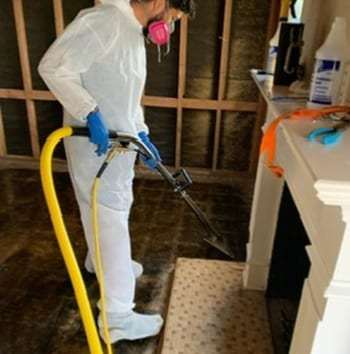
Why opening the windows doesn't fix it
Airing out a loft removes smoke that's still in the air. It does nothing for the residue already stuck to brick, beams and fabric, which keeps releasing odor whenever the space warms up or the HVAC runs. That's why a unit can smell fine on a cool, windy showing day and bad the first warm evening.
Before treatment
- First
Stop smoking indoors before treatment, or the odor will rebuild.
- Next
Replace HVAC filters serving the space.
- Then
Launder bedding, curtains, and washable fabrics.
- Last
Skip fragrance sprays; they make residue harder to locate.
Go deeper on loft smoke odor
Longer reads on residue, materials and what to check before a treatment is booked.
- Reading
Each piece here takes one problem that shows up in River North housing and works through it: why exposed brick keeps a cannabis smell, how film builds on open spiral ducts, what happens when a guest smokes in a short-term rental, and how to tell a ground-floor kitchen from a neighbor's joint.
- Practical tools
These are working documents rather than articles.
- Typical cases
Each case is an invented situation built from common patterns in converted warehouses and newer River North buildings.
- Communities
The neighborhoods around River North were built in very different eras, from Victorian rowhouses to worker cottages to glass-and-steel apartment buildings.
Smoke odor questions
- Is cannabis smoke odor harder to remove than cigarette smoke?
- Both leave persistent residue. Cannabis residue is resinous and has a distinctive smell that people notice quickly. Treatment follows the same principle: remove or neutralize the residue at the source.
- Can exposed brick be treated?
- Yes. Brick is porous and can hold odor, but surface treatment can address it. Heavily affected brick may benefit from cleaning and sealing.
- Will opening windows and running fans fix it?
- Ventilation helps with fresh smoke but doesn't remove residue already on surfaces and fabrics. That residue keeps releasing odor.
- Should ozone be used on smoke odor?
- Ask before work starts. Ozone can damage rubber and some finishes and doesn't remove residue; bleach and synthetic fragrances don't fix the source either.
- Do RiNo residents have to leave the loft during treatment?
- Whole-space treatments may require occupants to be out for a period. Ask how long before scheduling.
- Can a whole building be treated?
- Multiple units can be treated. Property managers should mention the number of units and turnover schedules when requesting a quote.
- Is cannabis smoke easier to remove than cigarette smoke?
- Usually somewhat. Cannabis smoke doesn't leave the heavy yellow nicotine film that tobacco does, so walls may look clean. But the odor still clings to fabrics, porous materials and the air system. Long-term indoor smoking of either can need the same full treatment.
Book a smoke odor assessment
This form is not connected. This website is a draft preview: no business has been confirmed to receive requests, so the fields below are switched off and nothing can be sent. In an emergency, call 911.
Smoke odor in a RiNo loft or apartment?
Stop smoking indoors, change the HVAC filters, and launder washable fabrics. Then choose an odor provider you have checked who treats the residue, not just the air.
No phone line yet